Ergonomic System for Volvo Cars Assembly Line Operators

Volvo Cars needed support in designing a safer, more ergonomic way for operators to assemble the inflatable curtain (IC) on the production line.
Through user research, digital simulations, physical testing, and ergonomic modelling, our team redesigned the assembly workflow and created a system that lowers ergonomic risk by ~57% and supports healthier work for operators across the 5–95% percentile range.
Reduce ergonomic strain without slowing production.
Our goal was to redesign the workflow so operators could assemble the IC in a safer, healthier posture — while meeting the real constraints of an active production line.
The solution needed to:
- Solve the ergonomic issues
- Integrate seamlessly into the existing production line
- Maintain current production rate
- Support operators across the 5–95th percentile range
- Be cost-effective to implement
The problem: Operators were getting injured while assembling the inflatable curtain.
At Volvo’s Torslanda plant, the station for installing the inflatable curtain (IC) caused significant ergonomic strain. Operators often had to climb inside the vehicle, twist their bodies, and reach overhead to locate attachment points and fasten 8–11 screws.
This awkward posture increased fatigue, discomfort, and the risk of work-related musculoskeletal disorders — leading to recurring sick leave and productivity challenges for both the operators and the company.
A Light-Guided, Ergonomically Supported IC Assembly Workflow
Through on-site observations, ergonomic analysis, and iterative prototyping, we redesigned the inflatable curtain (IC) assembly workflow to eliminate overhead reaching and reduce high-risk postures across the full operator range.
What we created:
A redesigned assembly process supported by ergonomic guidance and positioning—enabling operators to work in a neutral, seated posture instead of climbing inside the car and reaching above shoulder height.
Key steps & outcomes:
- Identified and mapped high-risk postures through RULA evaluation, user observations, and full-scale motion analysis.
- Developed multiple workflow concepts focusing on posture improvement, reach reduction, and visibility alignment.
- Created ergonomic simulations and 3D visualisations to test operator fit for the 5–95th percentile range.
- Prototyped and tested the redesigned workflow, evaluating posture, usability, and production feasibility.
- Reduced RULA risk scores by ~57%, enabling operators to assemble the IC in a safer, neutral posture.
- Delivered a solution that can integrate into the existing production line without slowing takt time.
- Projected long-term savings of over two million SEK from reduced sick leave, with ROI achieved in under two years.
The overall approach
We followed a human-centered ergonomic design process: observing operators on-site, analysing posture risks with RULA, exploring multiple workflow concepts, and iterating through simulations and prototypes. Each step focused on reducing strain, improving visibility, and ensuring the solution could integrate seamlessly into Volvo’s production line.
Understanding the Landscape
We began by reviewing emerging technologies and existing ergonomic aids used in manual automotive assembly. This gave us a broader view of what already exists and what operators are familiar with.
Existing and emerging solutions included:
- Happy seats & sliding chair systems
- Exoskeletons & collaborative robots
- AR/VR guidance tools, LiDAR, and 3D-printed supports
This helped us identify where the market is moving and what types of interventions are most feasible to integrate into Volvo’s production line.
Competitor Benchmarking
To understand how different ergonomic solutions approach similar problems, we benchmarked products across three categories:
- Vehicle-positioning tools
- Wearable operator support
- Seating-based ergonomic aids
We rated each product to understand performance, feasibility, and integration complexity.
Key insights:
- Solutions that don’t require major line changes perform best.
- Seating and support systems (arm supports, sliding chairs, chairless chairs) score highest for both ergonomic benefit and ease of integration.
- Cost-effectiveness closely aligns with ergonomic impact.
User Studies
We then conducted on-site research focused on posture, environment, and movement patterns.
Research activities:
- 16 on-site observations of the IC assembly
- 20 survey responses
- 7 in-depth interviews
We used REBA (Rapid Entire Body Assessment) templates to evaluate posture risk — capturing neck angle, torso bend, shoulder height, wrist deviation, and leg positioning.
What we learned:
- Operators frequently work in cramped spaces inside the vehicle.
- Overhead reaching and twisting are the primary sources of strain.
- Posture varies widely across body sizes, making percentile fit a critical design requirement.
- Many operators have personalized workarounds that indicate unmet ergonomic needs.
Synthesizing Insights
We organized our user research findings into an affinity diagram to identify recurring themes and pain points across operators.
Key findings:
- 50% of operators reported discomfort in the lower back or neck.
- 85% of operators taller than 171 cm (with 3+ years of experience) experienced lower-back pain.
- Bending, twisting, and overhead reaching were consistently described as the most uncomfortable—and most harmful—postures.
Problem Description
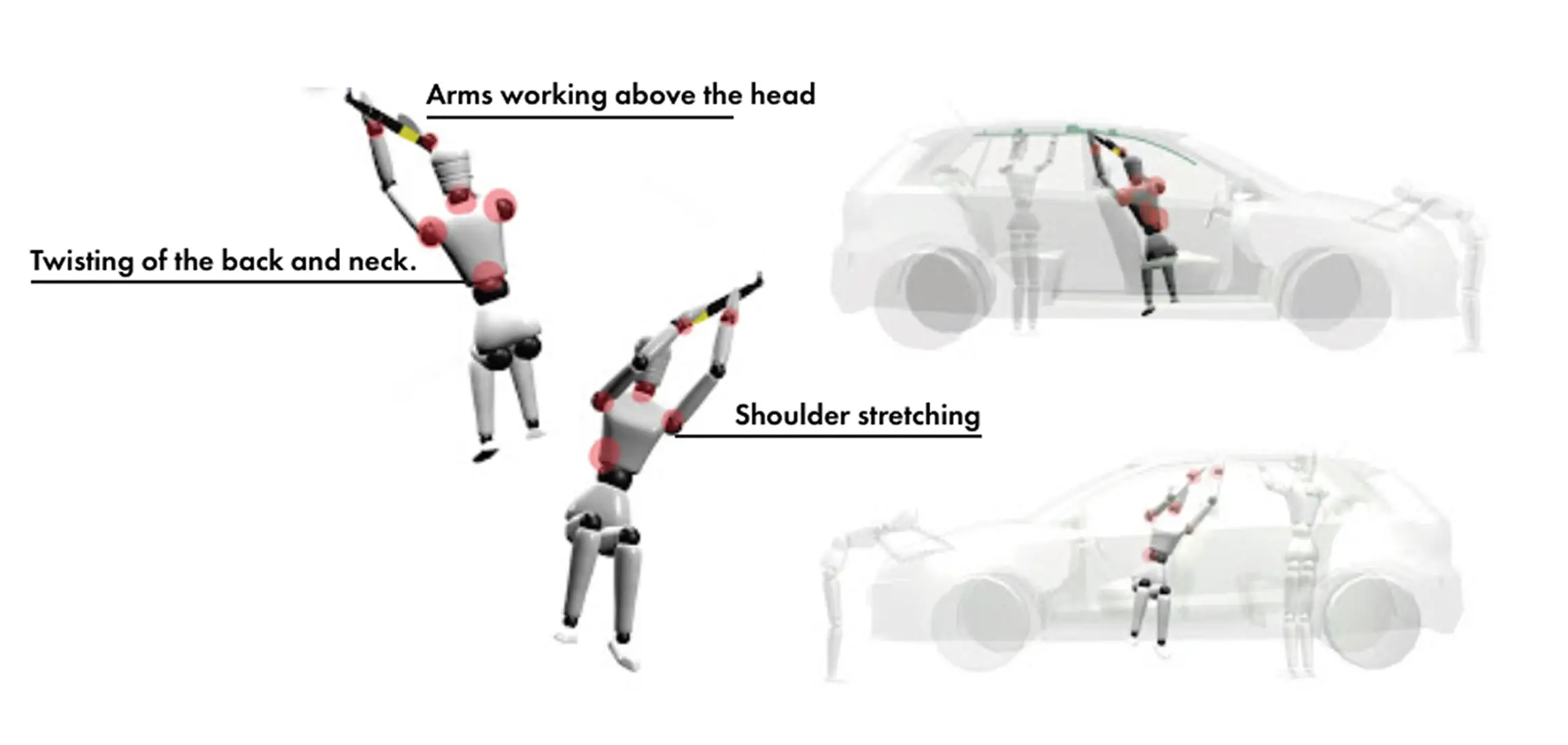
Our analysis showed that the current IC assembly process forces operators into strained and awkward positions. They often sit inside the vehicle, twist their neck and back to locate attachment points, and reach overhead to fasten screws.
These movements create critical ergonomic risks, leading to fatigue, pain, and long-term musculoskeletal disorders.
REBA score:
The current posture received a REBA score of 7, which is considered unacceptable and requires immediate ergonomic intervention.
Mapping the Workflow
To pinpoint where ergonomic issues occur, we mapped the entire IC assembly sequence using process flow charts and function trees.
Each assembly step (yellow) was paired with operator actions (green) and the corresponding ergonomic risks (red), creating a clear overview of where strain occurs.
The blue and yellow branches break down the full assembly process into detailed functions and sub-functions, revealing where potential solution areas exist.
Together, these tools exposed exactly where posture breakdowns happen and informed the direction of our early concepts.

Requirement Specification
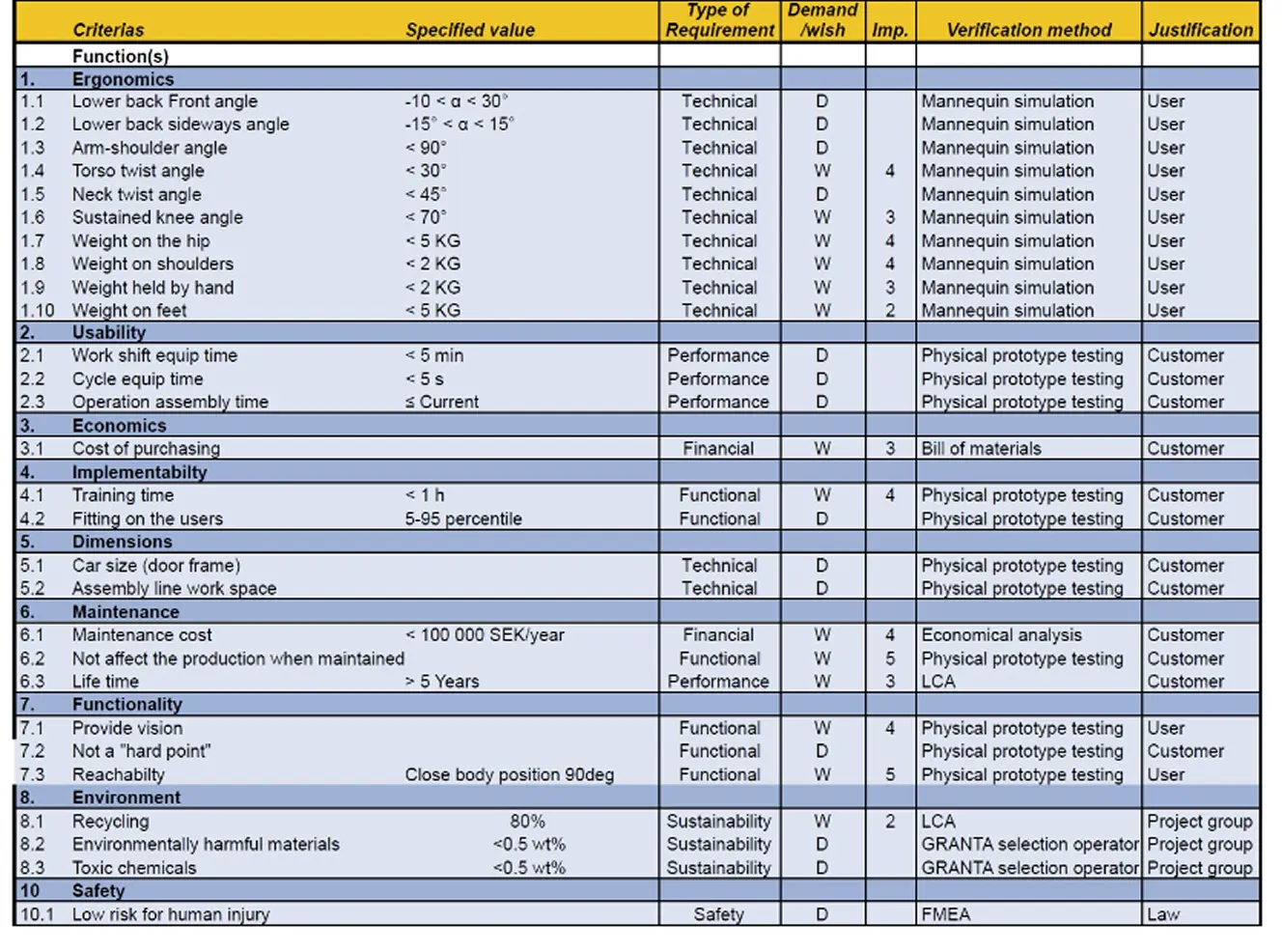
We created an initial requirement specification to align the ergonomic goals with production constraints. Requirements captured:
- Demands from Volvo
- Operator needs
- Technical constraints
- Ideal vs. acceptable performance metrics
This specification anchored our design decisions throughout concept development.
From Insights to Concepts
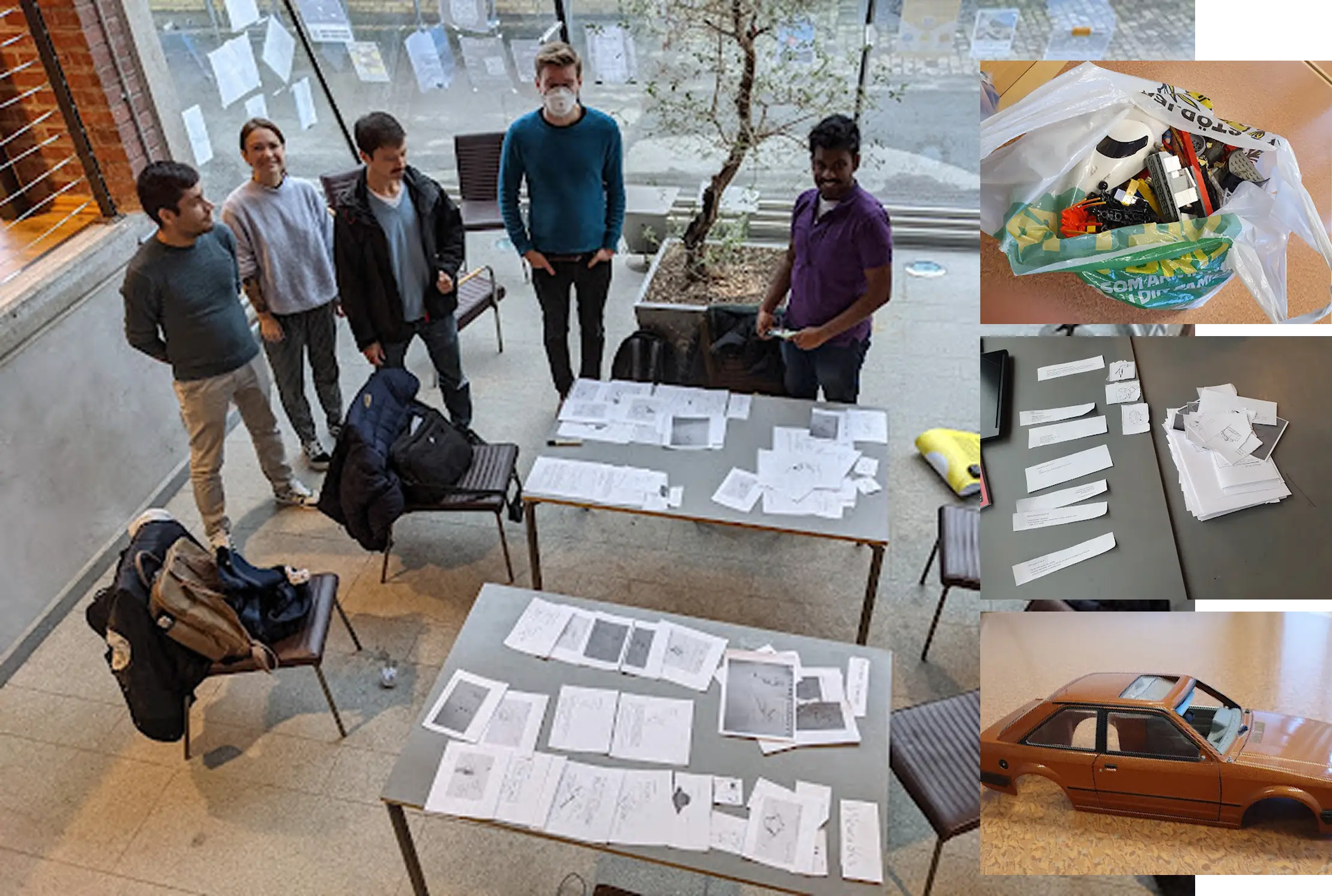
With a clear problem focus, we explored a wide range of possible solutions. We held multiple creative sessions using methods like brainstorming and the 6-3-5 technique, as well as hands-on tools like Lego and clay to quickly prototype ideas for each sub-problem identified in the function tree.
Combining Concepts
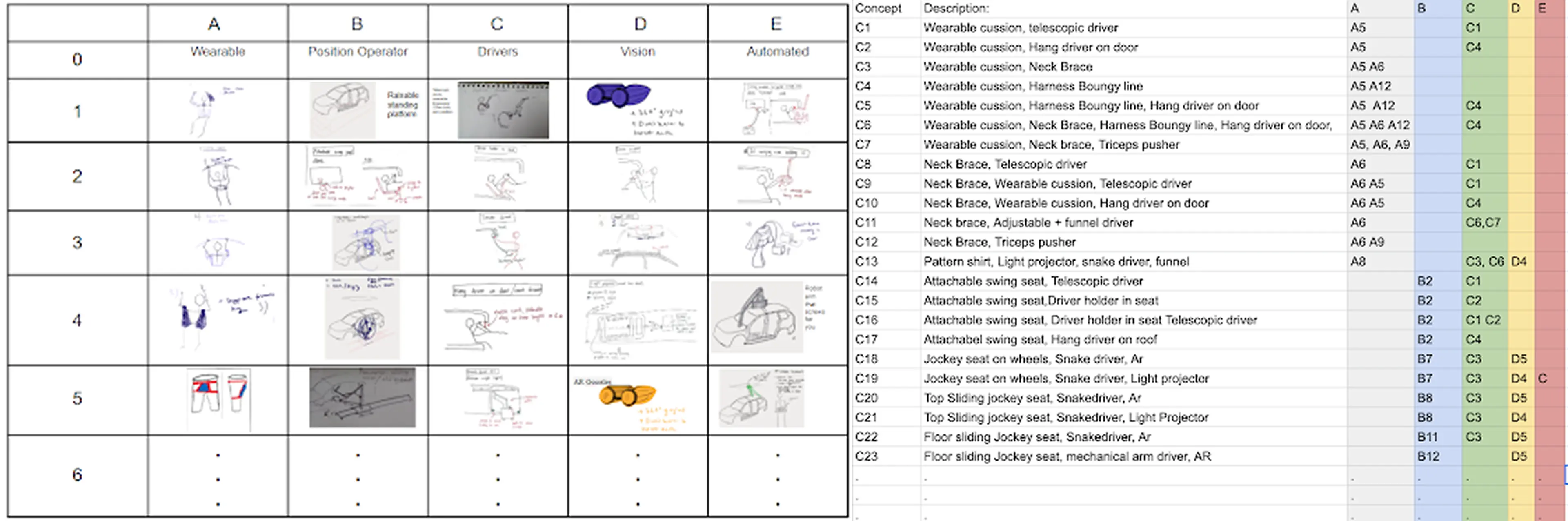
All ideas were grouped into five categories based on how they addressed the core ergonomic challenges. By mixing and matching solutions from each category, we created 66 complete concept combinations to explore the full design space.
Eliminating & Narrowing Down
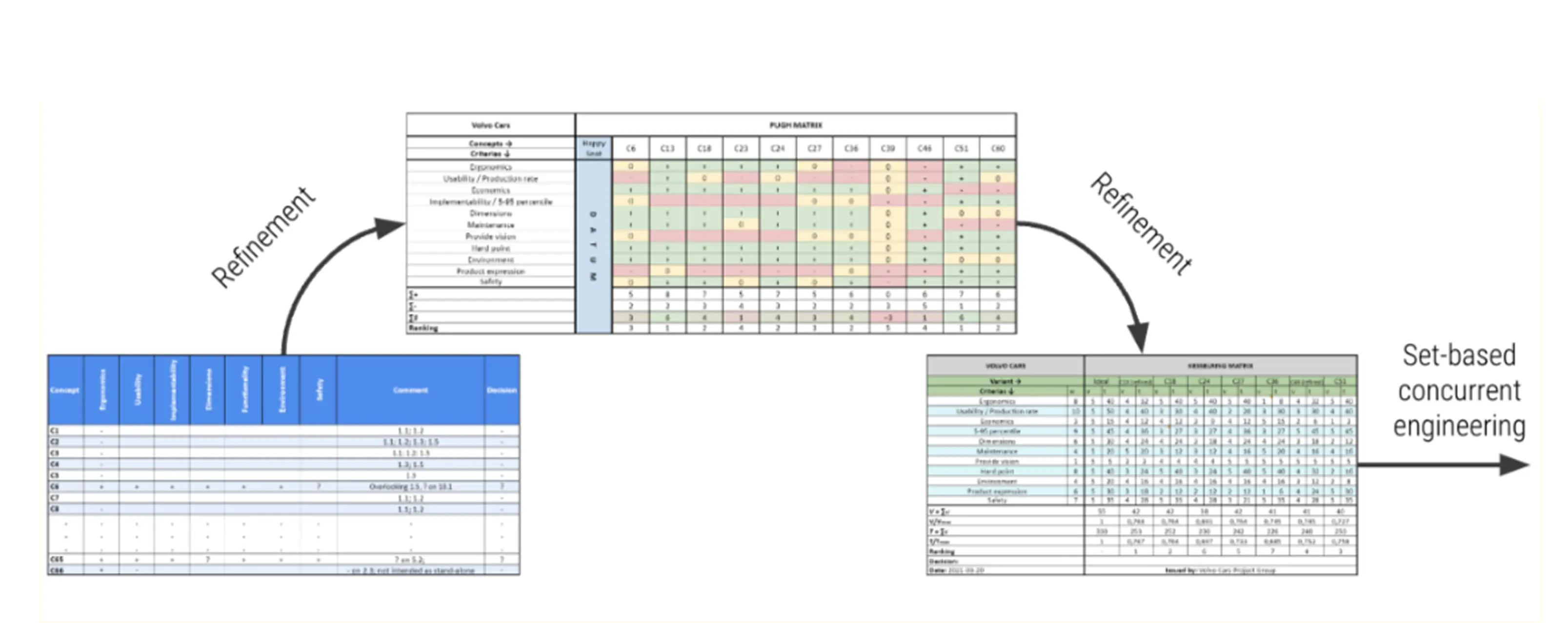
We evaluated the 66 concepts through a structured three-step process using an elimination matrix, Kesselring evaluation, and Pugh matrix. Concepts were assessed against Volvo’s key criteria—ergonomic improvement, production fit, 5–95 percentile compatibility, and cost feasibility.
This process resulted in three final concepts selected for further development.
Three Initial Directions
We evaluated the 66 concepts through a structured three-step process using an elimination matrix, Kesselring evaluation, and Pugh matrix. Concepts were assessed against Volvo’s key criteria—ergonomic improvement, production fit, 5–95 percentile compatibility, and cost feasibility.
Light Projector
A ceiling-mounted projector displaying the attachment points on the roof, allowing operators to assemble the IC from outside the car—removing the need for overhead reaching inside the cabin.
Insert image
Jockey Seat + AR Glasses
A movable jockey seat allowing operators to work in a neutral posture, paired with AR glasses to visualize attachment points from the outside.
Insert image
Automated Branch Driver
A rail-guided automated tool designed to align with and fasten all screws along the IC attachment line.
Insert image
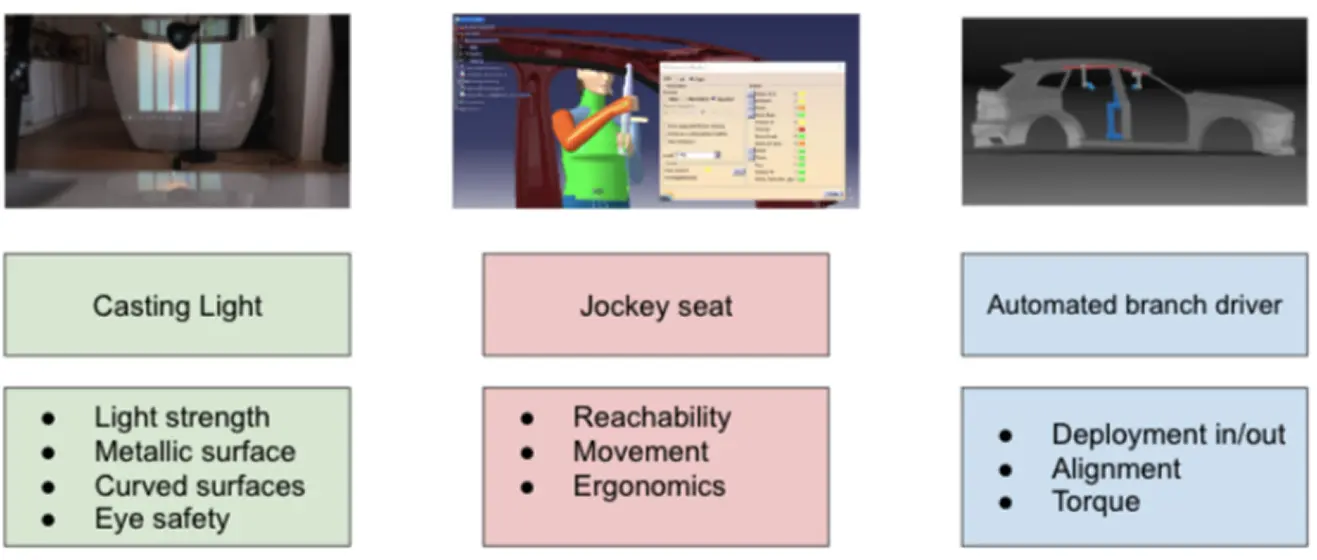
Testing & Feasibility Checks
Each concept was evaluated through targeted tests to understand feasibility, ergonomics, and integration:
- Light Projector: Tested for visibility on curved, brightly lit car surfaces.
- Jockey Seat: Evaluated through RULA analysis to measure posture improvements and reachability.
- Automated Branch Driver: Assessed in CAD for alignment, movement, and deployment feasibility.
Expert feedback also helped eliminate unrealistic directions—AR proved too immature and unreliable for production-line use.
Selecting the Strongest Direction
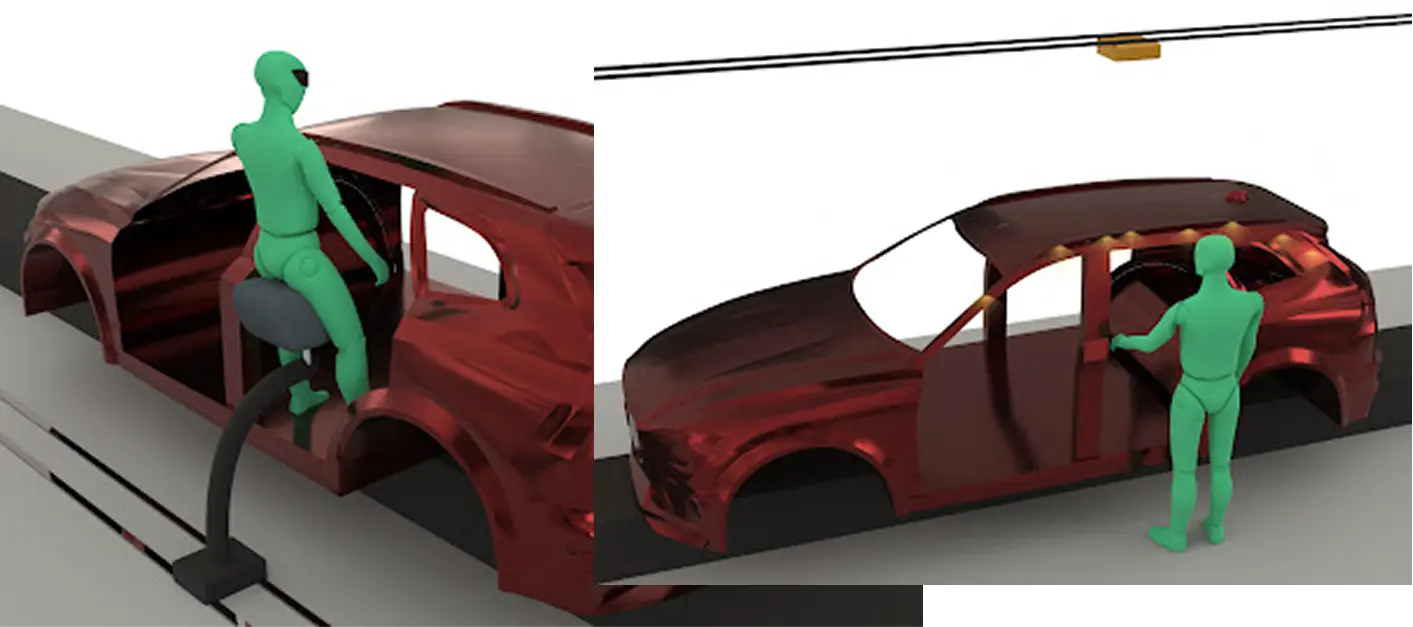
Through PNI analysis and client discussions, we found that combining the Light Projector with the Jockey Seat delivered the greatest ergonomic improvement:
- The light projector solves visibility by showing attachment points externally.
- The jockey seat positions operators in a safe, neutral posture with full reach.
Together, they addressed both core challenges: seeing the target and reaching it comfortably.
Testing the Prototype
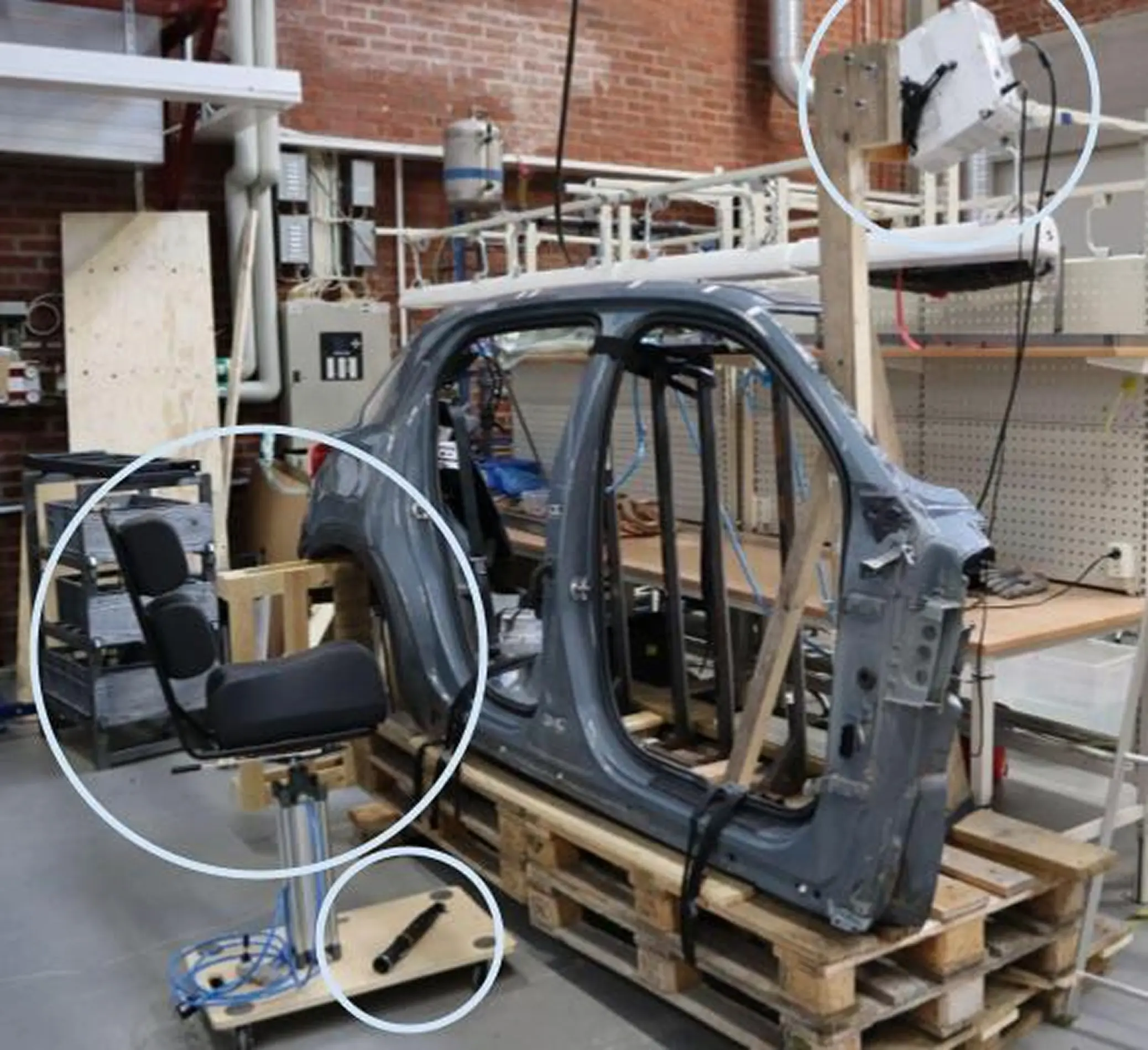
To validate the combined concept, we built a simplified prototype of the jockey seat and light projector and tested it using a Volvo XC40 side panel. The setup included a stationary light projector, a trolley-mounted jockey seat, and the standard assembly tools.
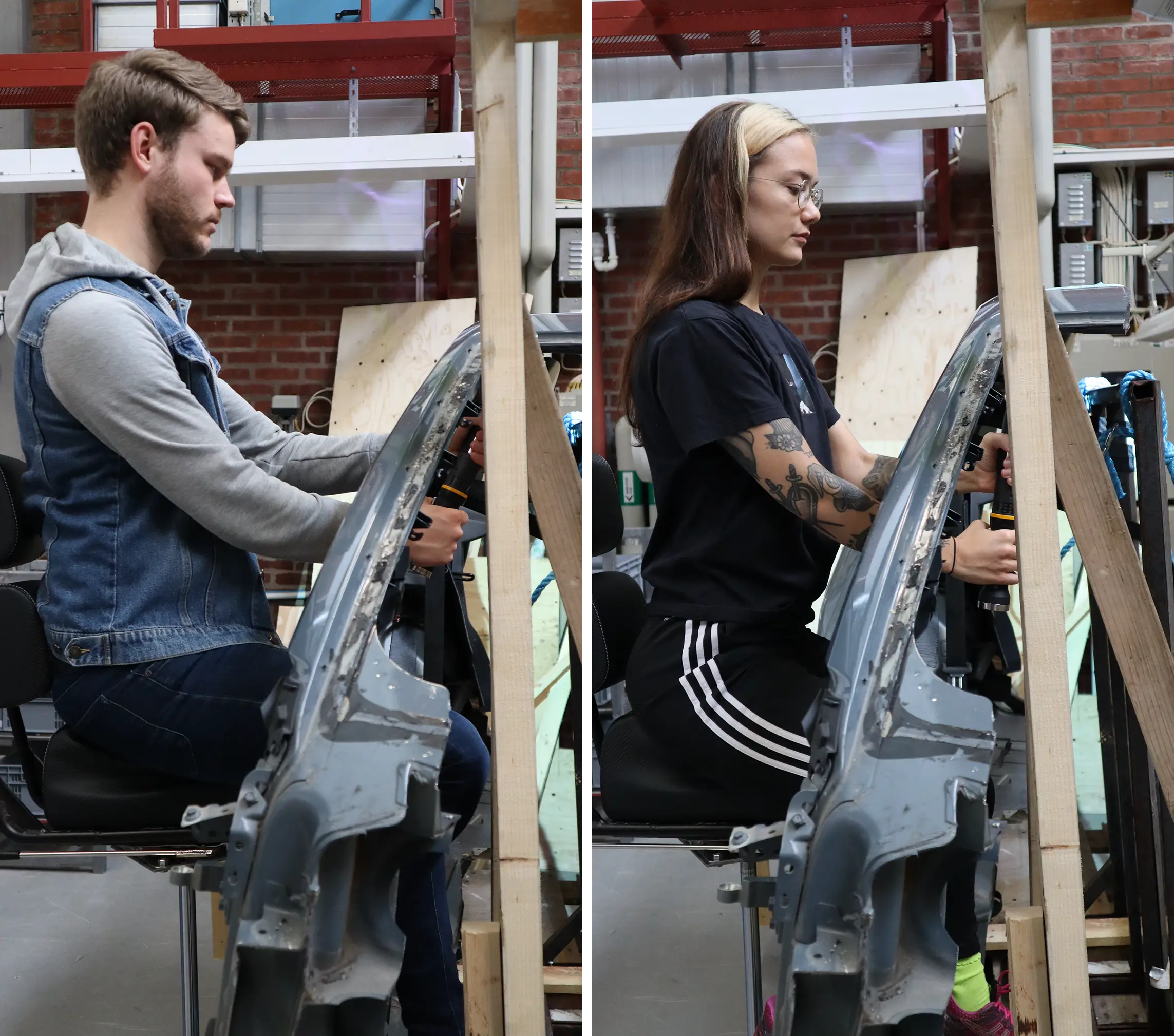
1. Ergonomics
Test subjects representing the 5–95th percentile range were able to work in a safe, neutral posture.
Result: The solution fulfills the ergonomic requirements, though horizontal adjustment of the jockey seat would further improve positioning.
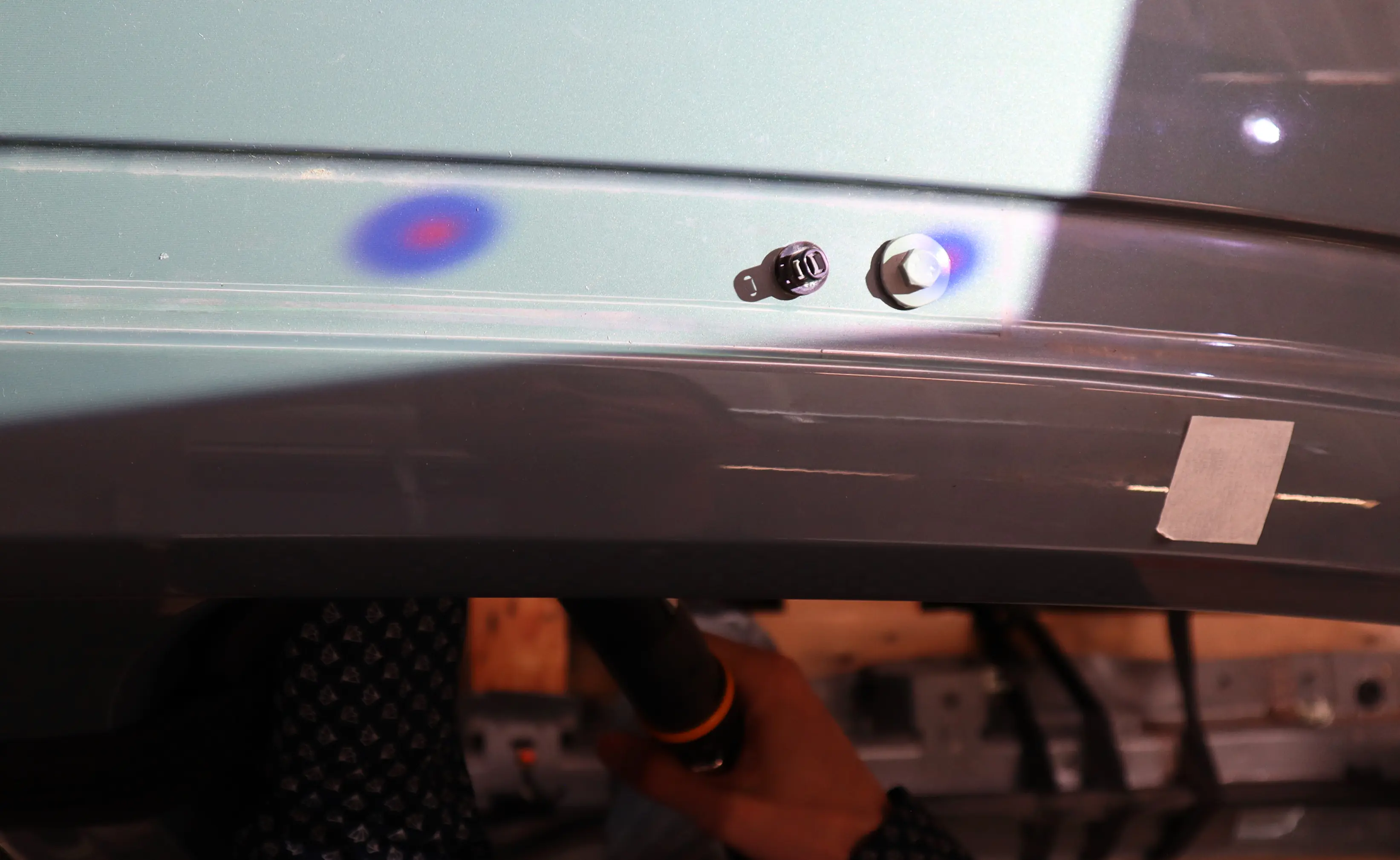
2. Visibility & Locating Screws
Operators could easily see and locate all attachment points using the projected light markers.
Result: The projector provides clear guidance and eliminates the need to enter the vehicle.
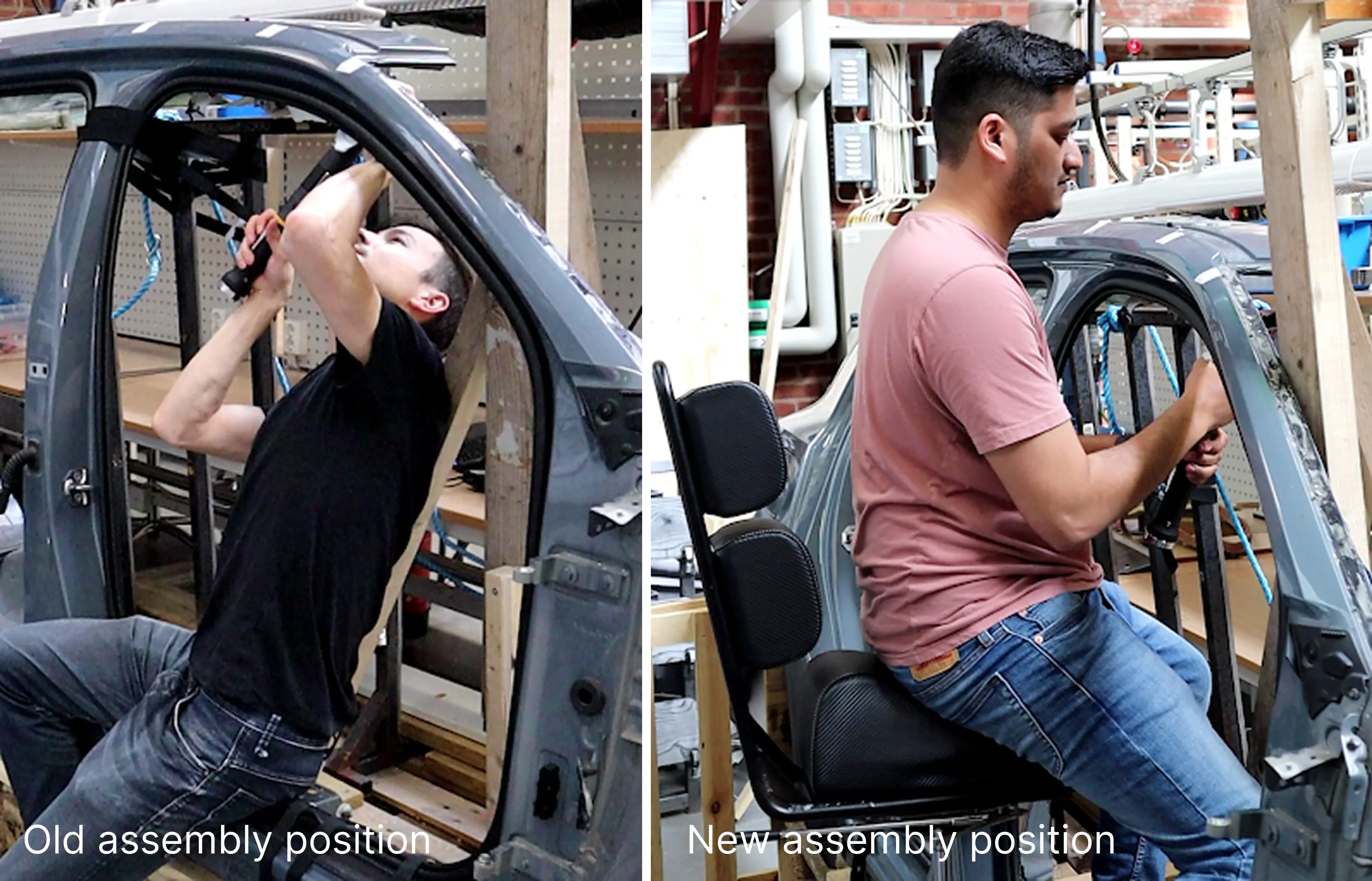
3. Operation Time
We compared the old and new workflows to ensure production speed was not compromised.
Result: The new method matched — and in some tests outperformed — the current assembly time.
Conclusion and Next Steps
Testing showed that the combined solution delivers clear ergonomic benefits, intuitive guidance, and maintains (or even improves) current production speed. Operators could work comfortably, locate attachment points easily, and complete the task efficiently—confirming the concept’s feasibility and readiness for final development.
The Final Solution
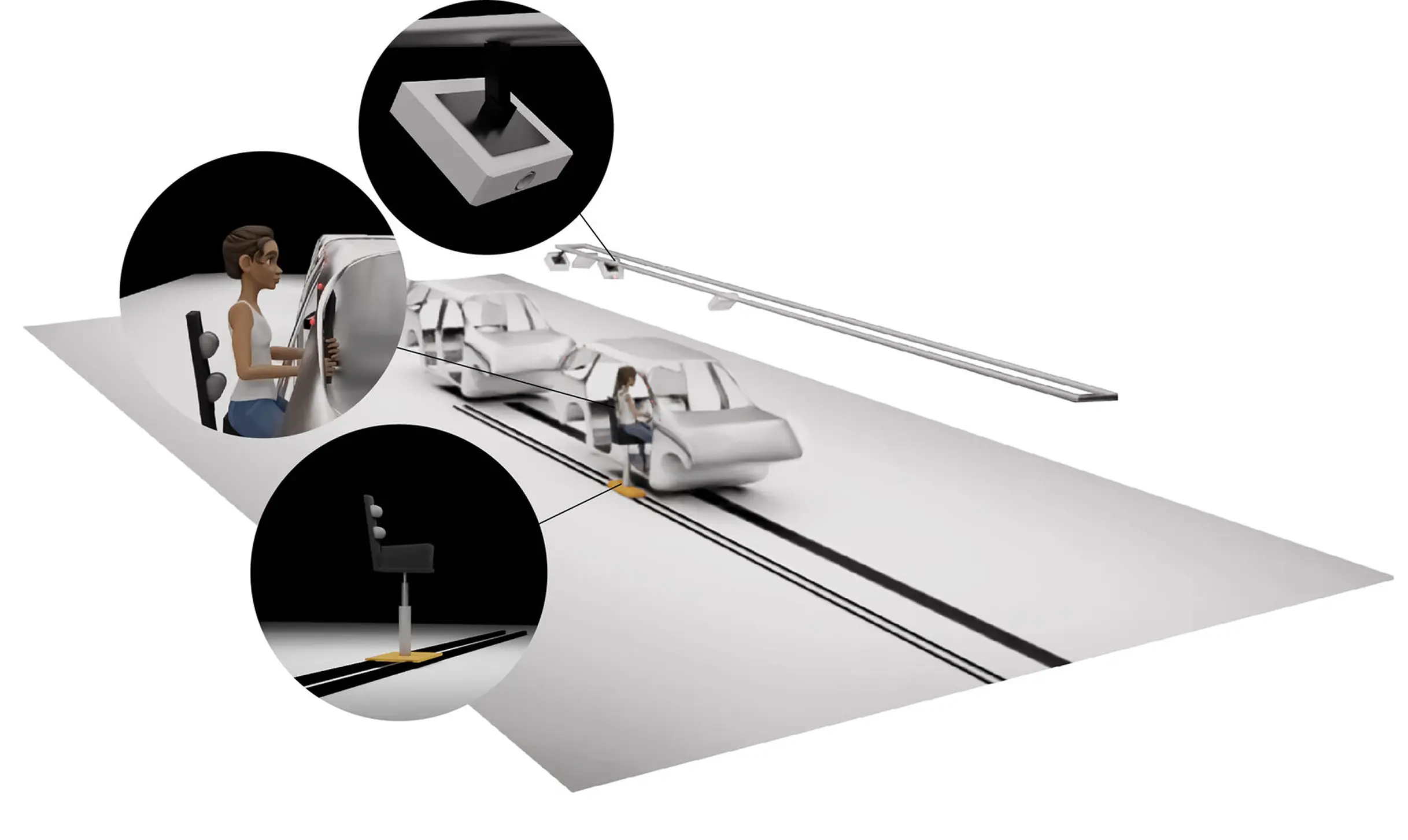
The final solution brings together projected visual guidance and ergonomic operator support, enabling the IC to be assembled from outside the vehicle in a neutral, comfortable posture. This redesigned workflow eliminates overhead strain, reduces RULA risk scores by ~57%, and maintains the production speed required on Volvo’s assembly line.
Solution Overview
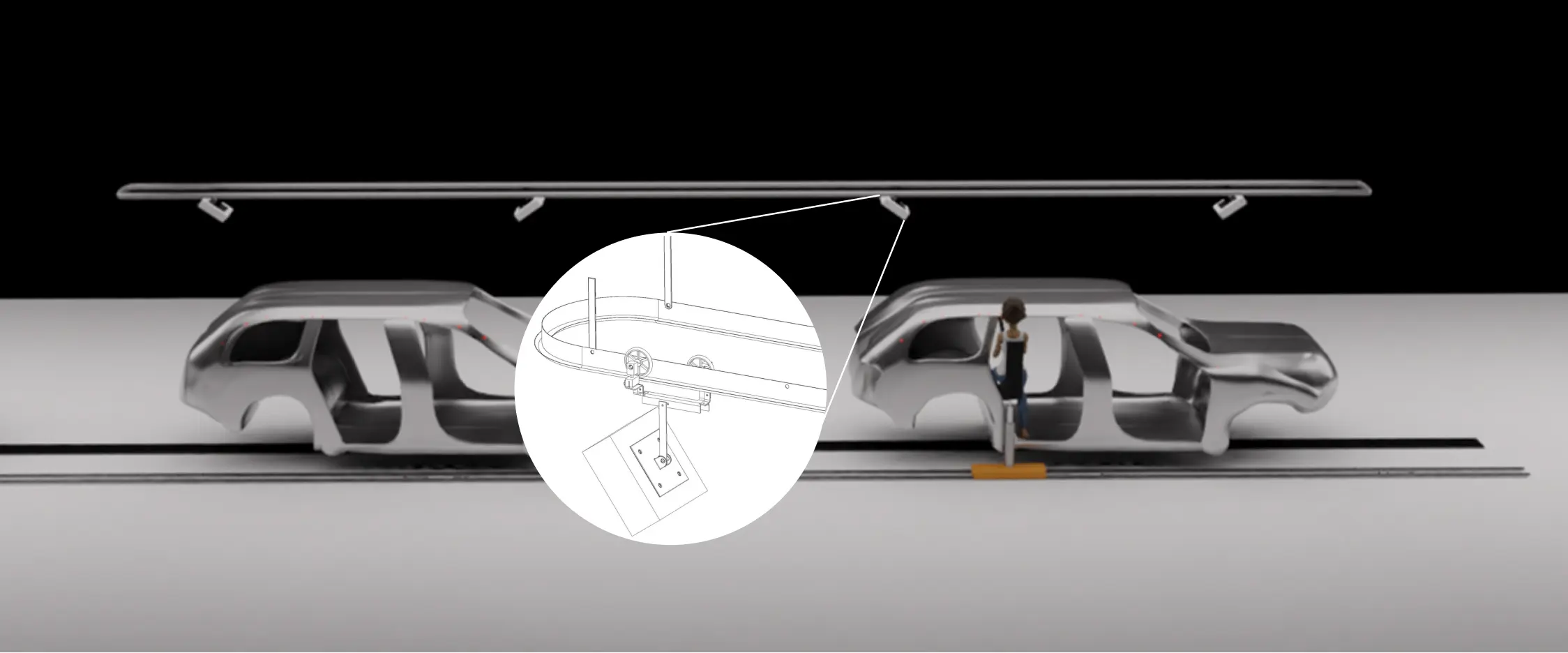
As each car enters the station, it is paired with two light projectors that move along the line and overlay the screw locations directly onto the roof surface. The operator performs the entire assembly while seated on a height-adjustable jockey seat that travels parallel to the car, keeping them in an optimal ergonomic position throughout the process.
Light Projector System
The light projectors enable operators to locate all attachment points from outside the car, removing the need to bend, twist, or work overhead.
They travel on a ceiling-mounted rail, synchronized with the movement of the car. Once a vehicle exits the station, the projectors return to the starting point to meet the next one.
Movement and control are handled by a motorized mobility unit powered by a conductor rail. Volvo’s car-identification system sends data to each unit, allowing the projectors to:
- Adjust spacing based on car model
- Project the correct image for each vehicle
Jockey Seat
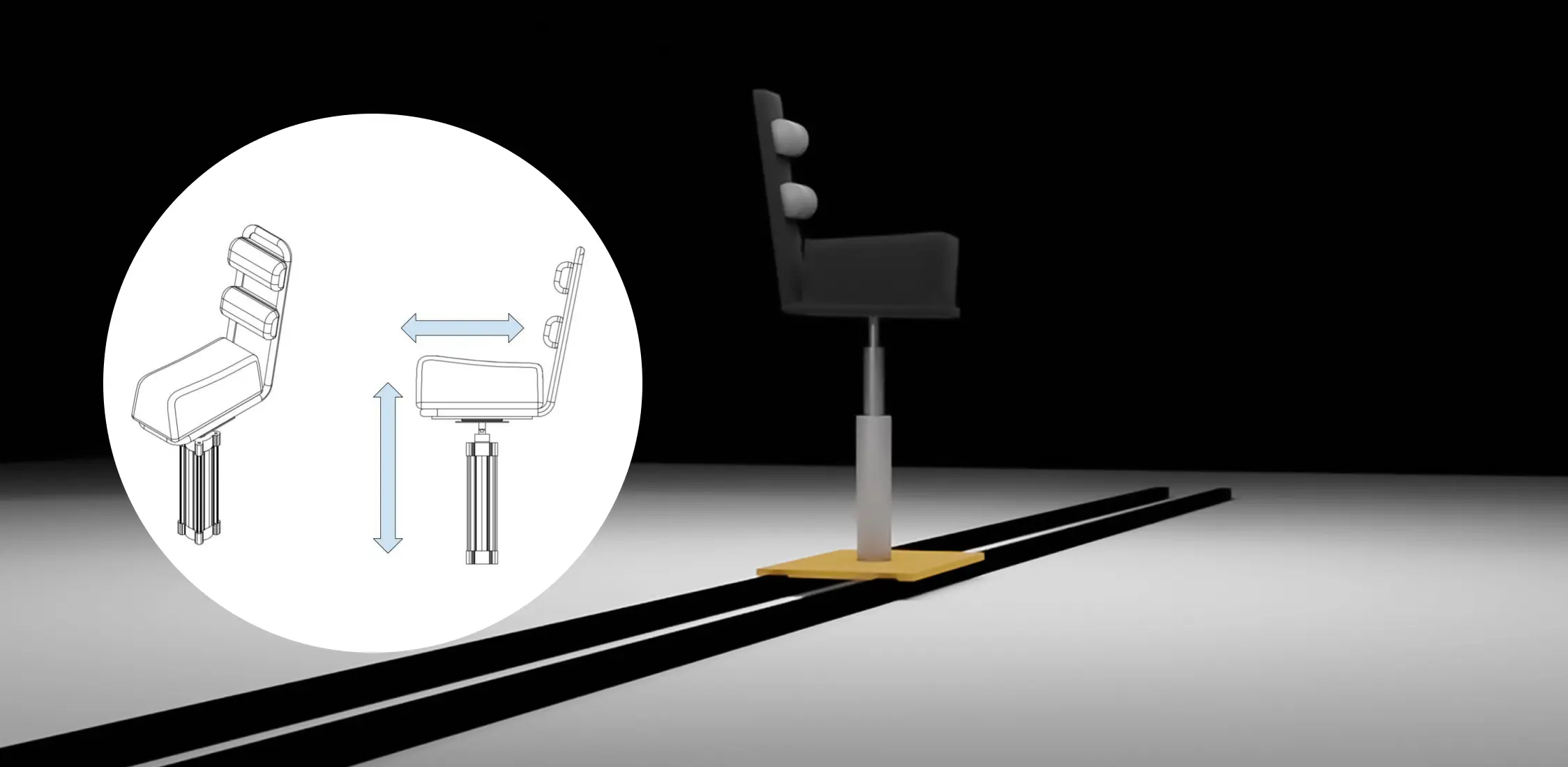
The jockey seat moves smoothly along floor-mounted rails, supporting the operator in a stable, neutral position while they work. A double-acting pneumatic piston allows for easy height adjustment, accommodating the 5–95th percentile range.
Prototype testing confirmed the ergonomics were effective, with an opportunity for future improvement by allowing the seat to slide horizontally for even closer access to the car body.
Evaluate the Solution & Results
Ergonomic Impact: Significant Reduction in Risk
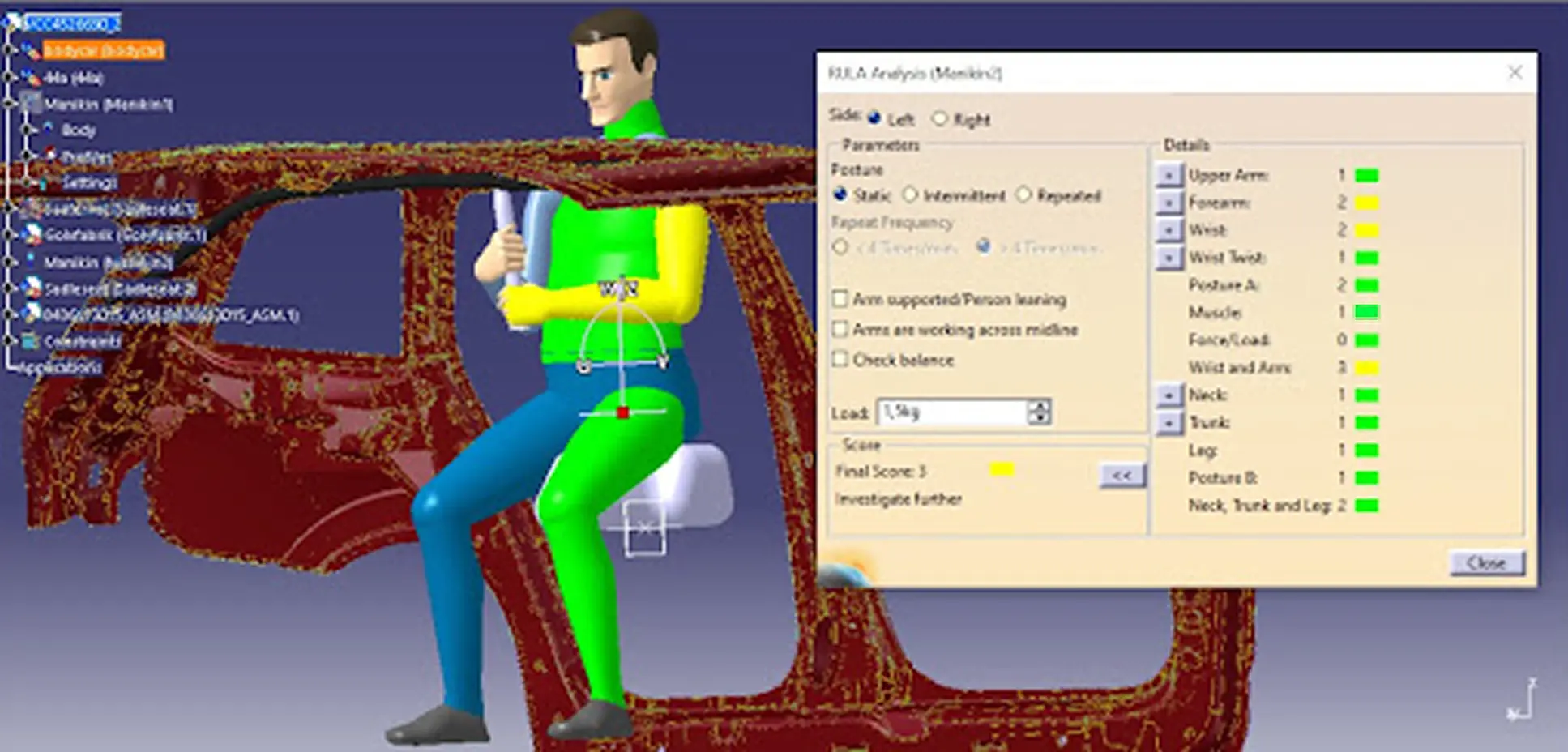
A new RULA assessment was performed using the redesigned workflow with the jockey seat. Compared to the previous posture (RULA score 7, “high risk — immediate action required”), the new seated working position scored 3, which falls within the acceptable/low-risk range.
This is a ~57% improvement in ergonomic risk levels and confirms that the solution effectively removes the main strain factors: overhead reaching, twisting, and unsupported bending.
Cost-Benefit: A Strong Financial Case
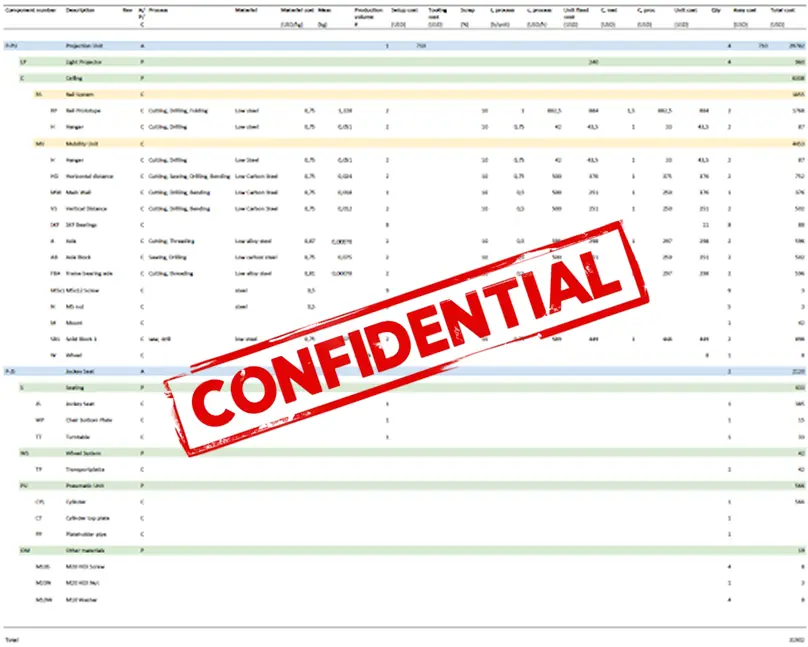
To assess feasibility for implementation, we conducted a cost–benefit analysis using Volvo’s production data and estimated sick-leave costs. The analysis showed that:
- The solution becomes cost beneficial within two years.
- Sick-leave reductions generate over two million SEK in long-term savings.
- Even with conservative assumptions on lifespan and maintenance, the investment is fully offset by the gained health benefits.
This confirms that the proposed ergonomic system not only improves operator well-being but also delivers a clear economic advantage for Volvo Cars.
Conclusion & Recommendations
The final solution proved highly effective: it reduced ergonomic risk by ~57%, supported operators across the 5–95th percentile range, and maintained—sometimes even improved—production speed. The simplicity of the combined light projector + jockey seat approach made it more reliable and integratable than more complex alternatives.
Testing confirmed that the solution meets all of Volvo’s primary criteria:
- Solves the ergonomic issues
- Fits the production line without slowing takt time
- Supports a wide range of operators
- Is feasible and cost beneficial for long-term use
Overall, the project demonstrates how a focused, human-centered ergonomic redesign can meaningfully improve both operator well-being and production efficiency.
Recommendations for Further Development
To ensure a smooth and effective implementation, we identified a few key areas that would benefit from continued exploration and validation:
- Conduct full-scale testing on the actual assembly line before implementation.
- Explore integrating the jockey seat into existing ceiling-rail infrastructure to improve flow and reduce floor footprint.
- Test the system—both as a whole and in parts—at other stations to evaluate its broader applicability.
Final Reflections
I’ve always loved working with ergonomics! It was challenging, hands-on, and incredibly rewarding to see how thoughtful design can directly improve someone’s daily work experience.
Collaborating with a multidisciplinary team was one of the highlights. Everyone brought different strengths to the table, and that mix of perspectives was key to shaping a solution that genuinely worked for operators.
This project made me love ergonomic design even more, not just for reducing strain, but for improving efficiency and overall workplace well-being.