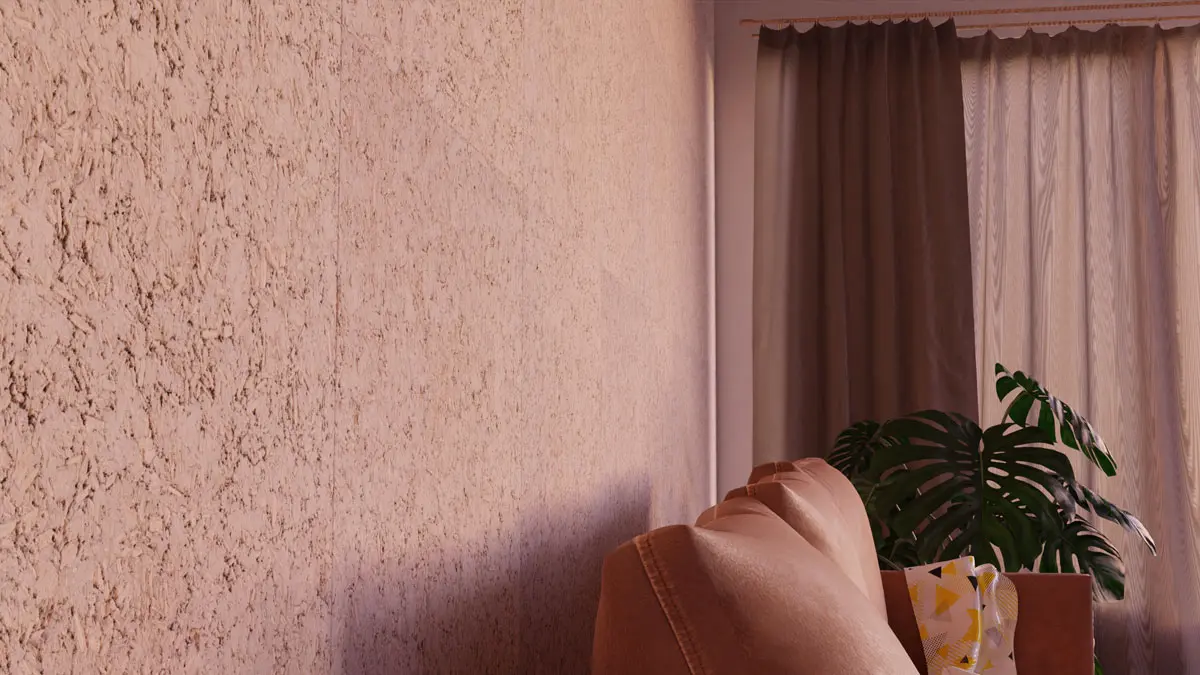
Sustainable Material
This project was carried out in collaboration with Snøhetta as part of their ongoing research into clay as a sustainable building material. Our work focused on examining the potential of locally sourced clay and developing a concept that could replace an existing interior building element.
Rethinking Waste in a High-Impact Industry
The construction industry is responsible for up to 40% of global energy consumption, and nearly 50% of landfill waste. Heavy materials like steel and concrete alone account for a major share of industrial emissions, while global demand for buildings continues to rise as the population approaches 10 billion by 2050.
At the same time, millions of cubic meters of excavated clay are treated as waste and transported to landfill during large infrastructure projects. In Gothenburg alone, the Västlänken project excavates approximately 1.7 million m³ of clay, most of which is discarded. This reflects a systemic inefficiency: high-impact materials are extracted, produced, and transported globally, while local, low-energy materials already available on-site remain unused.
From research to concept
We followed a research-driven and hands-on development process:
- Defined performance and sustainability requirements based on industry standards and stakeholder input
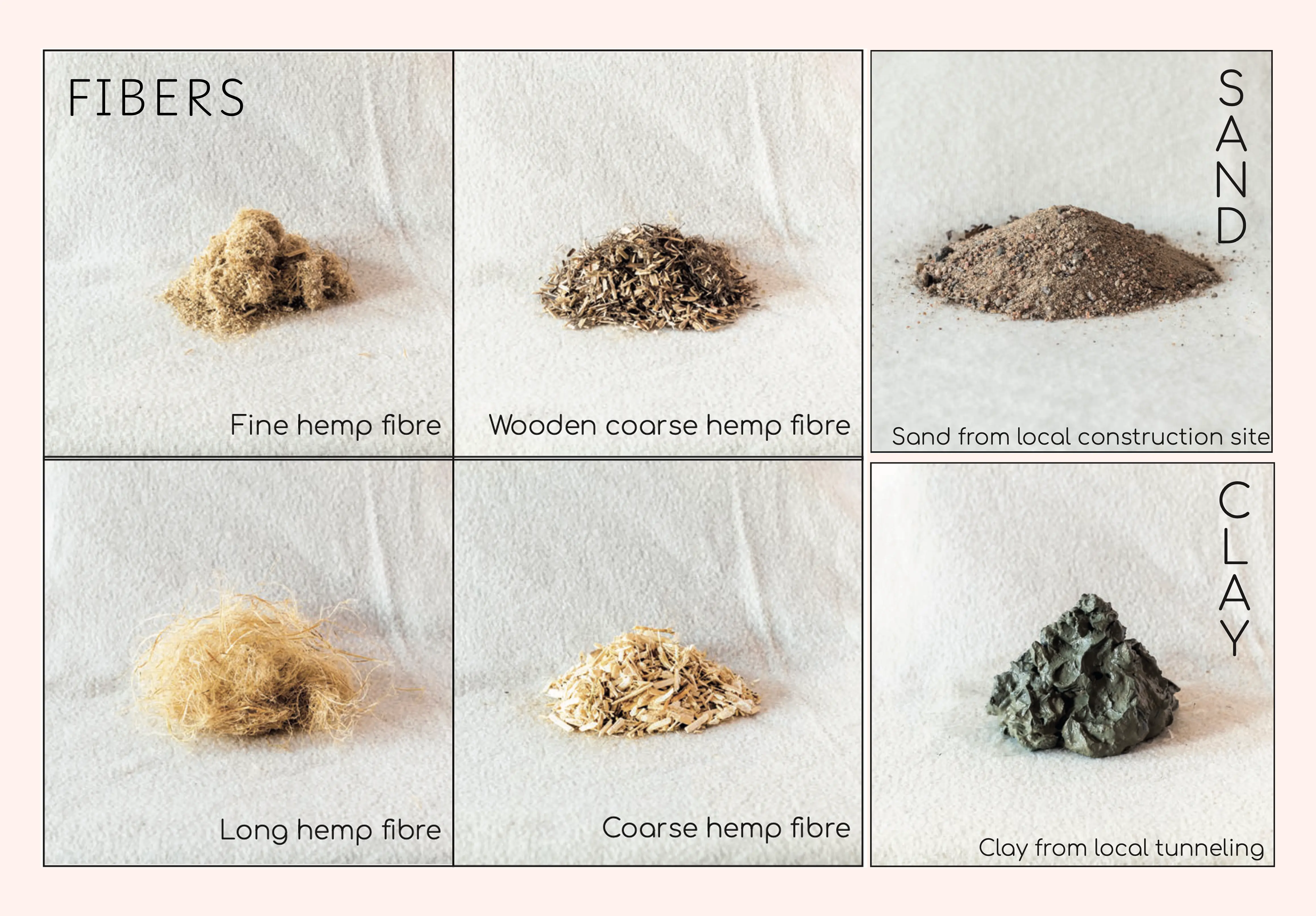
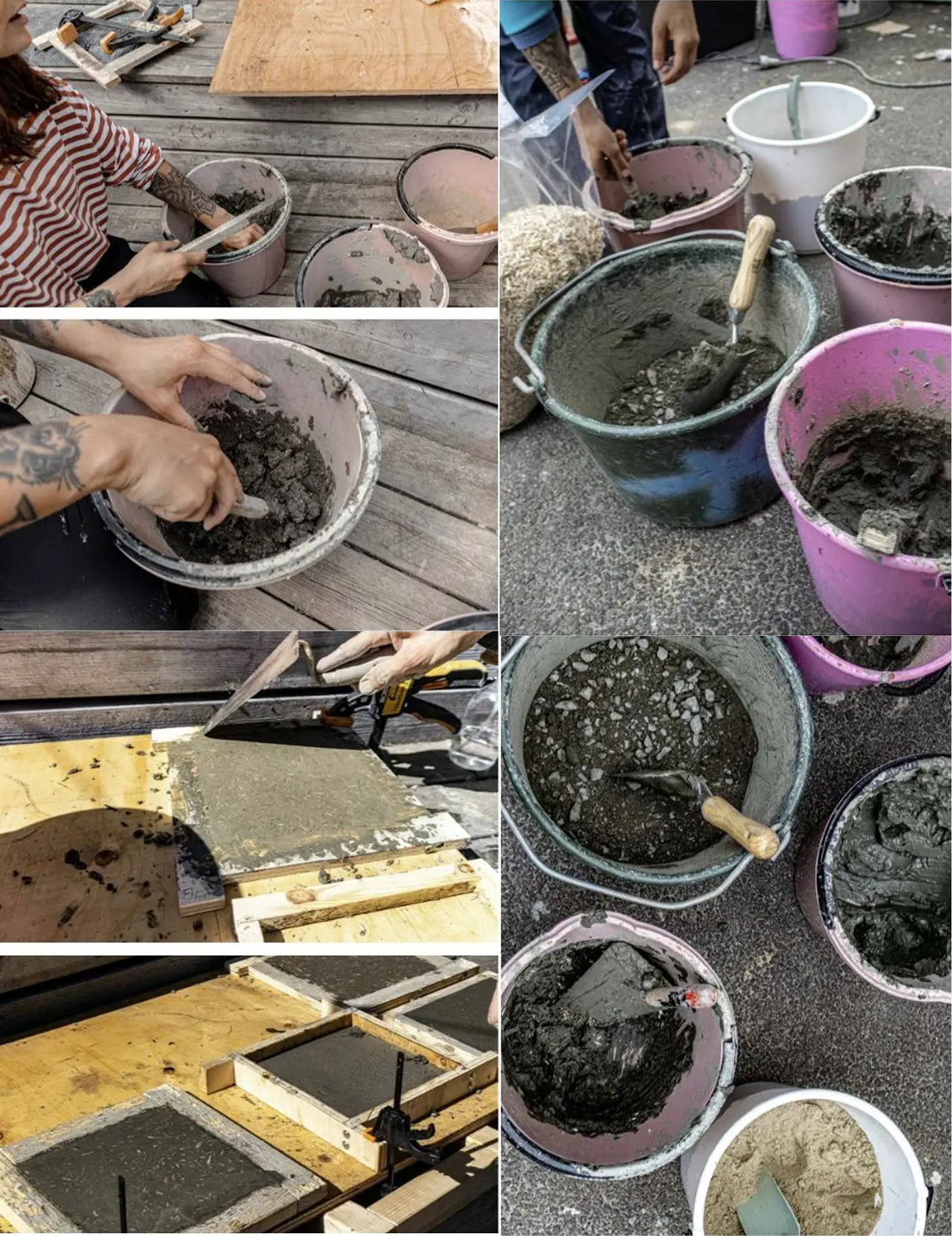
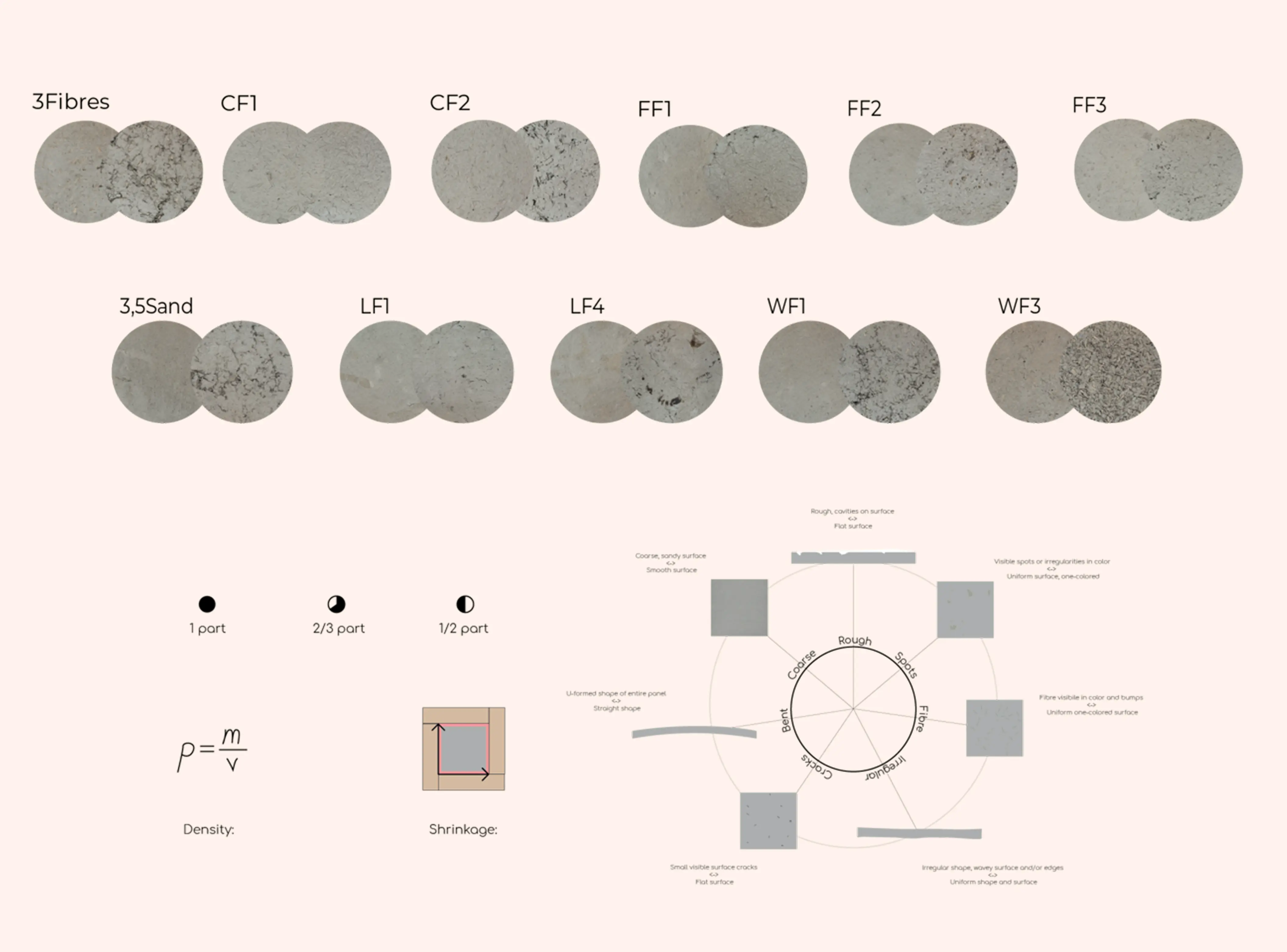
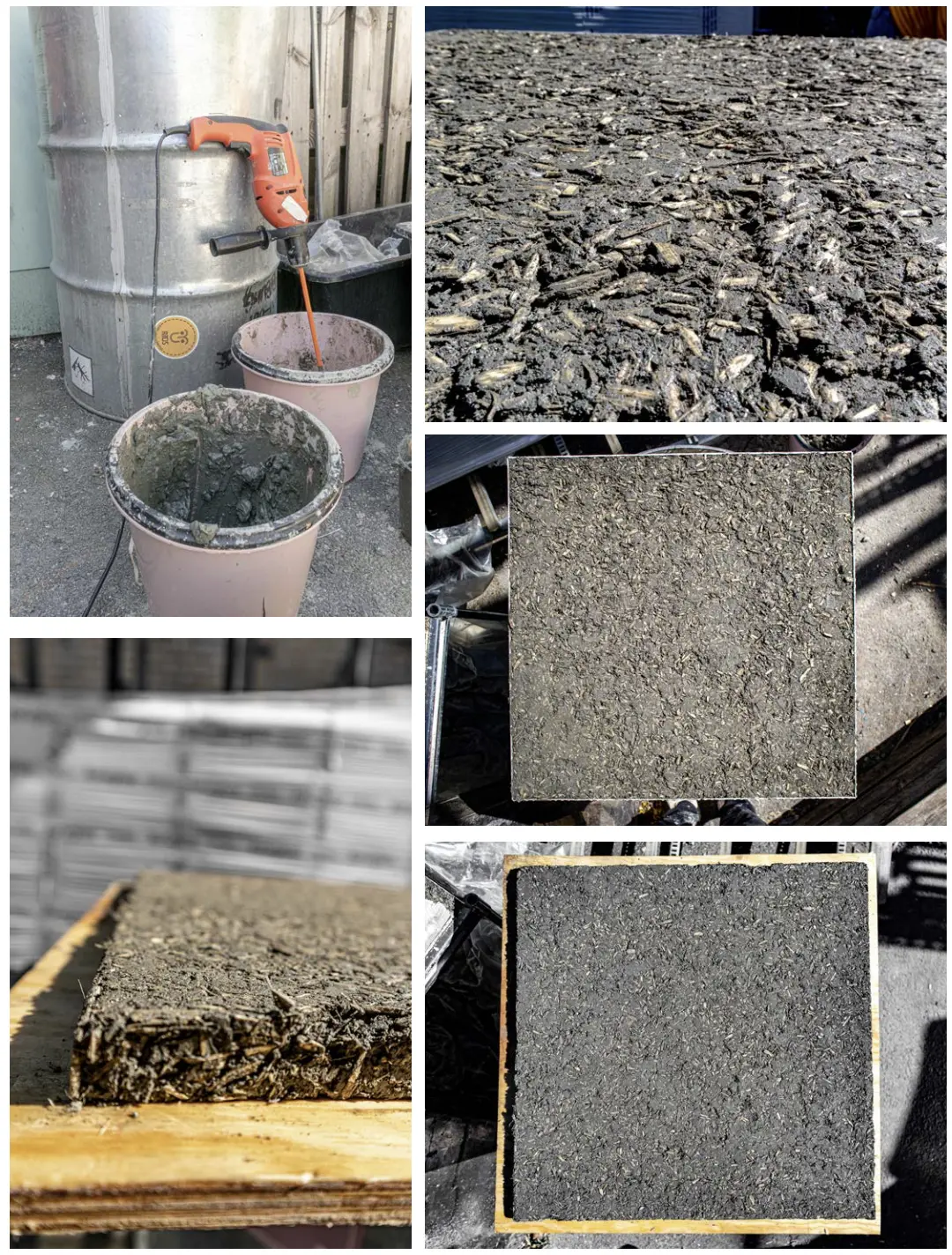
- Conducted material testing using locally excavated clay and biodegradable binders
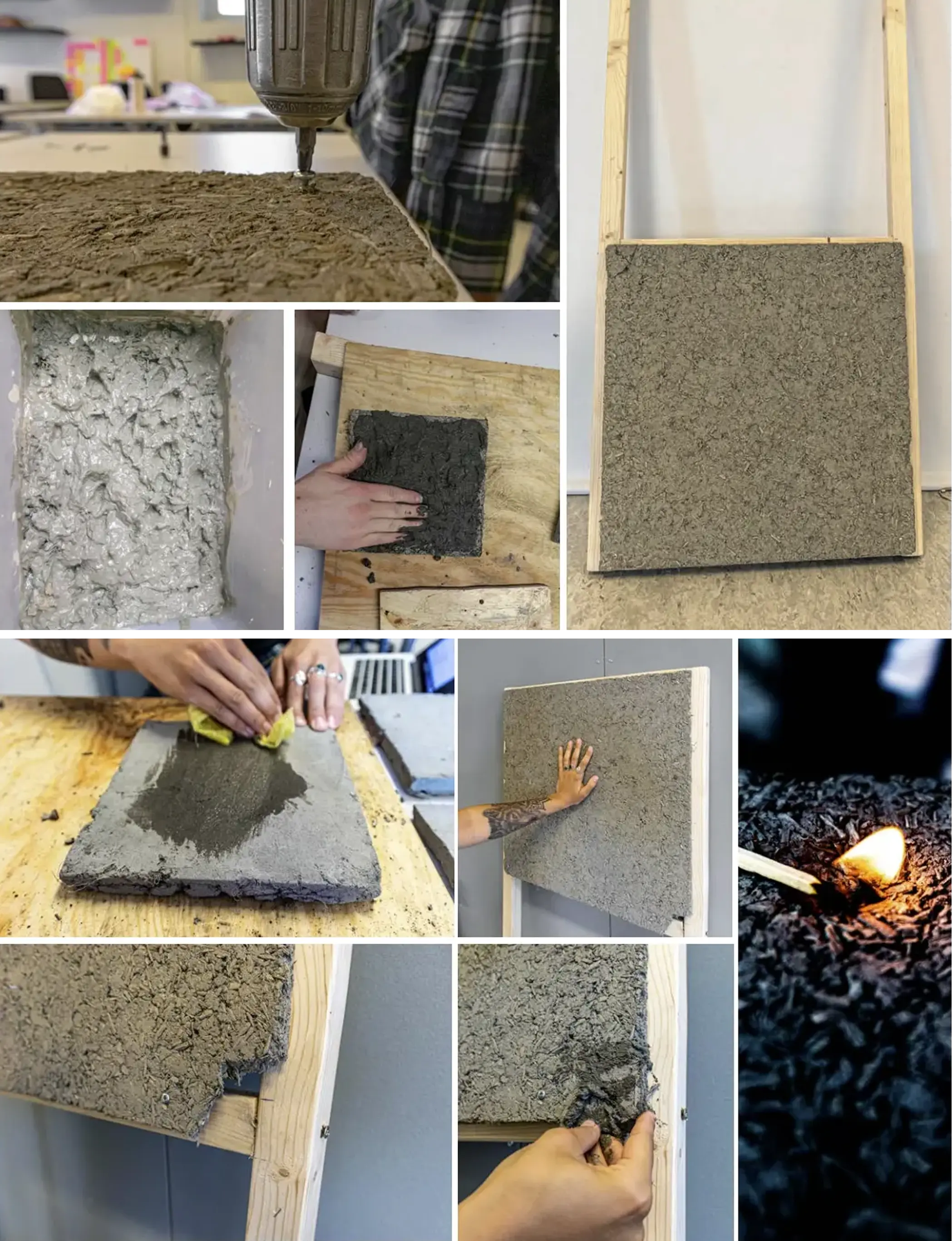
- Built and refined physical prototypes to evaluate durability, manufacturability, and installation
- Performed full Life Cycle Assessment (LCA) and Environmental Product Declaration (EPD) analysis to quantify environmental impact
- Iterated design decisions based on testing data, environmental metrics, and feasibility constraints
The process balanced environmental performance, functional requirements, and production viability through continuous evaluation and iteration.
The sustainable building material
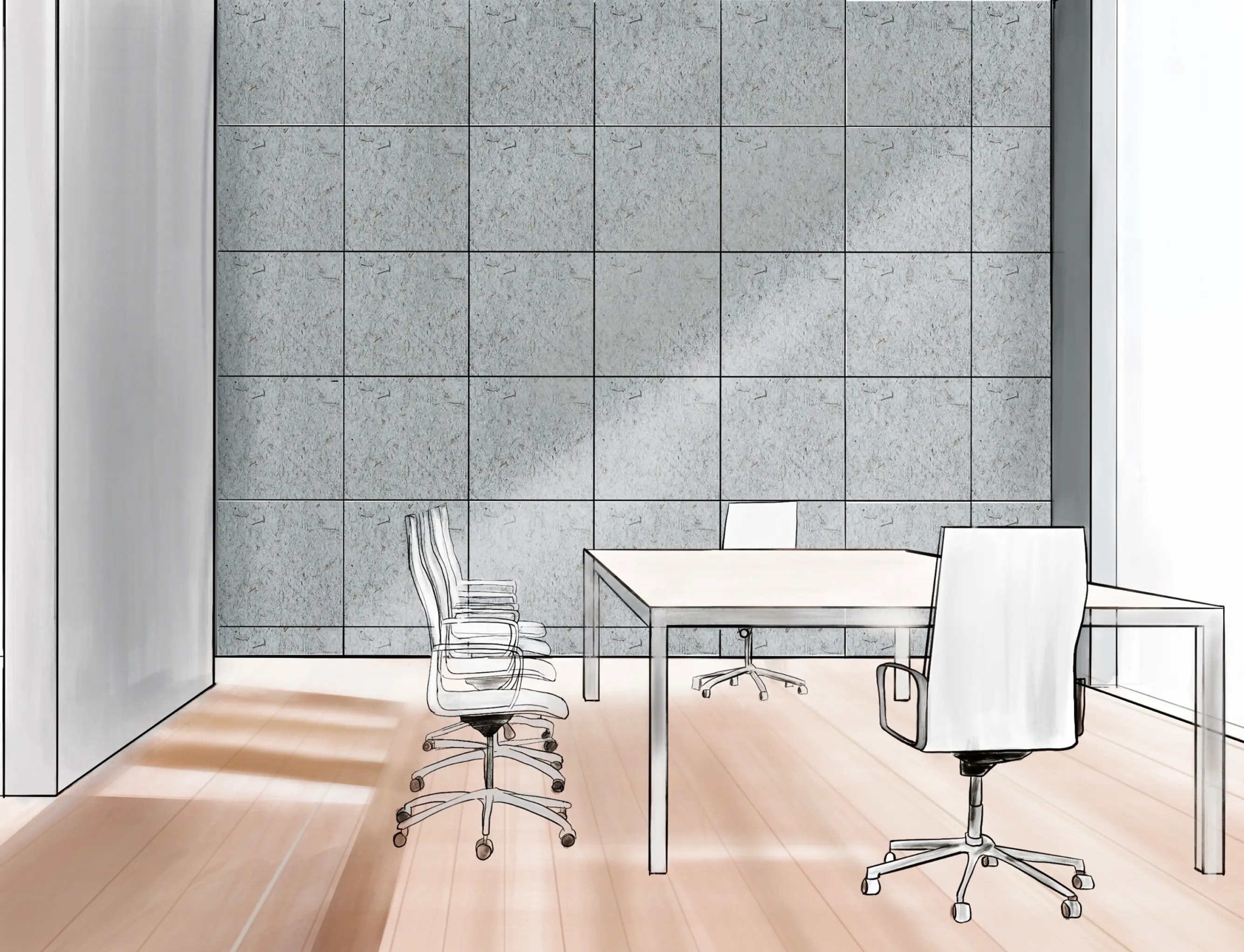
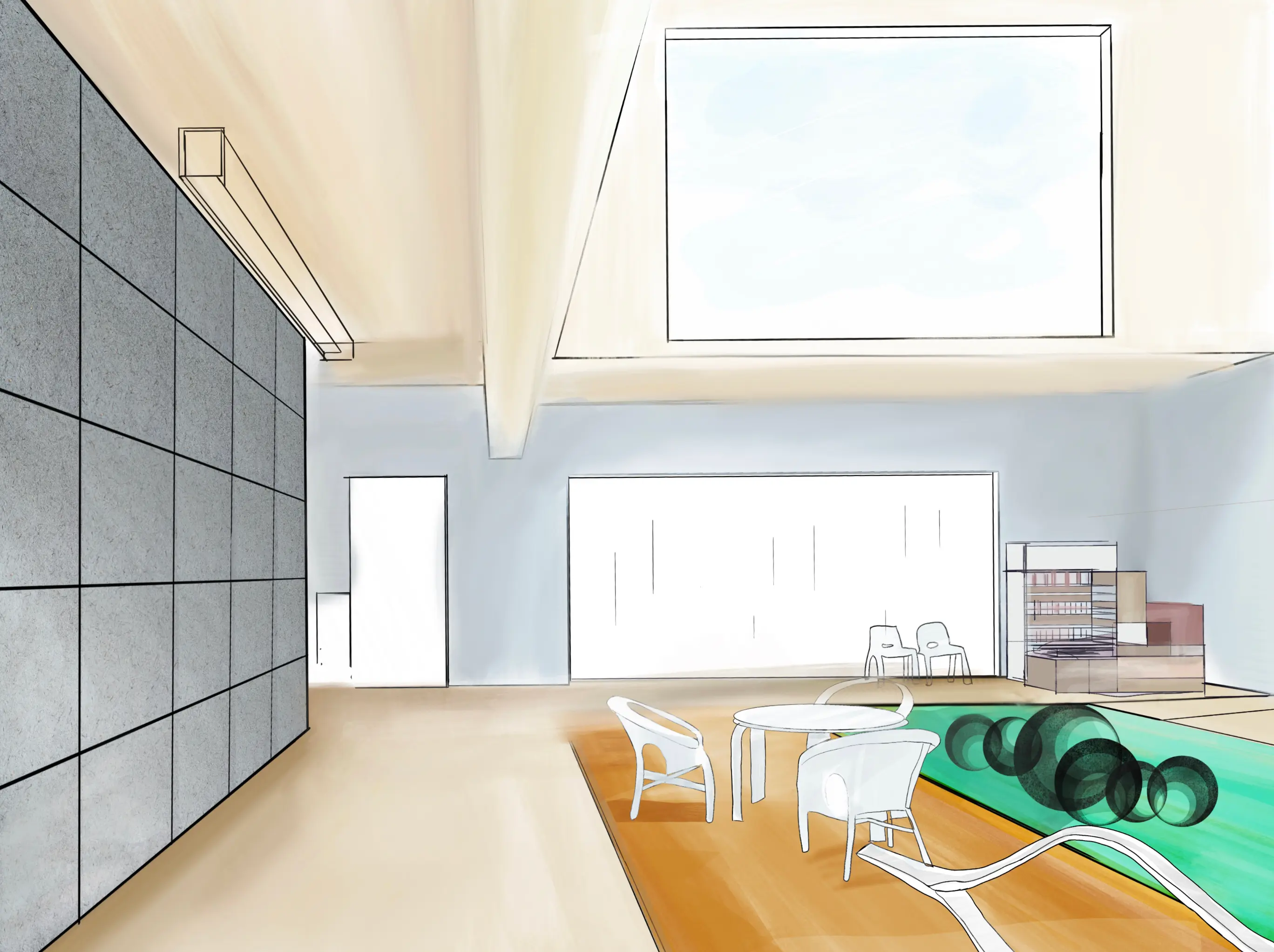
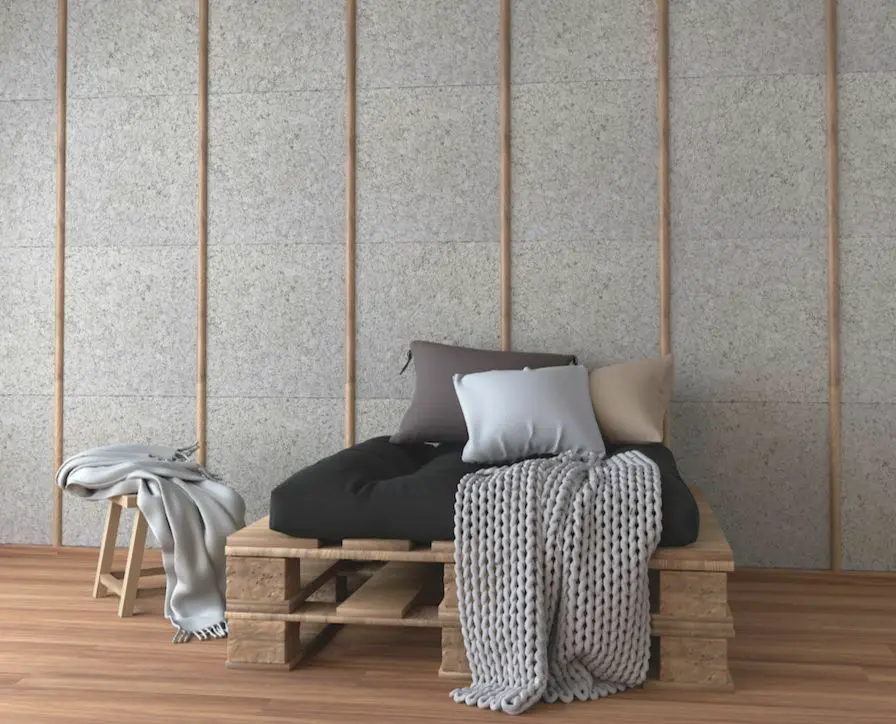
Developed and validated interior wall panels made from locally excavated clay, sand, and hemp fibers as a viable alternative to conventional construction materials. Achieved a 62% reduction in CO₂e per m², while meeting durability, acoustic, and industry performance requirements.
The final concept demonstrated production feasibility, circular end-of-life potential, and scalability for future sustainable building applications.
Final reflection
This project changed how I think about systems, materials, and long-term impact. I saw firsthand how an entire industry can treat something as waste simply because the system is not designed to value it. Reframing excavated clay as a resource required research, experimentation, stakeholder alignment, and measurable validation through LCA.
As a designer, it strengthened my systems thinking and reinforced how material choices, workflows, and lifecycle decisions shape real-world outcomes. Whether I am designing physical products or digital platforms, I approach problems the same way: understand the broader ecosystem, question assumptions, test rigorously, and design solutions that balance human needs, business requirements, and long-term sustainability.